Create an elegant vintage wedding on a budget by choosing a few repeated visual elements, using your venue's existing character, and protecting the practical parts of the guest experience. A coherent palette and comfortable layout often do more for the atmosphere than a large collection of antique-style objects.
Begin with a spending limit you can afford, then obtain real quotes before dividing the money. This guide offers design and planning choices, not market price estimates. Costs vary by location, date, guest count, and supplier, so compare complete proposals rather than treating an online example as your expected bill.
Define what vintage means to you
Choose three descriptive words, such as romantic, botanical, and intimate. Then identify the details that express them. You might use ivory linen, loose rose arrangements, and softly shaped stationery. This gives the project a direction without requiring every object to come from the same historical period.
Save a small number of reference images and write what you like about each. If you love the light and proportions in a photograph, buying every object shown will not necessarily recreate the effect. Distinguish the underlying atmosphere from the individual products.
Use the venue as your largest decoration
A room with attractive walls, useful chairs, and good light may need less styling than a blank space. Compare the complete cost of each option, including furniture, delivery, setup, lighting, and collection. A low headline hire fee can conceal a longer list of things you must supply separately.
Ask what can be moved or installed before planning decorative work. Existing furniture may need to stay in place, and walls may have attachment restrictions. Design within confirmed rules so you do not spend money on objects that cannot be used.
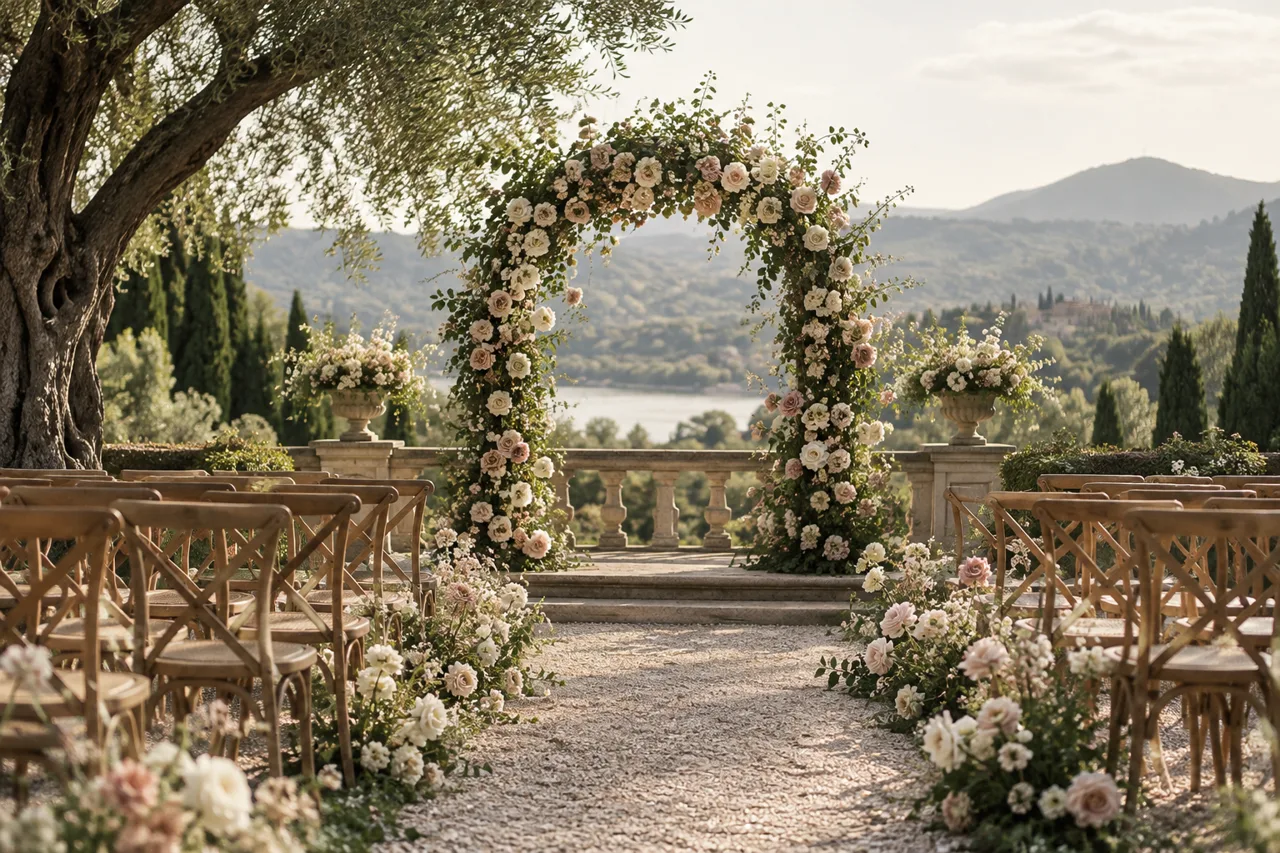
For outdoor spaces, do not remove weather protection to fund extra flowers. Our garden wedding guide explains how shelter and access shape the event. Practical arrangements belong in the essential budget even when they are less visible in an inspiration photograph.
Prioritize a small number of visual moments
Choose where attention naturally gathers: the ceremony backdrop, the dining tables, and perhaps a welcome or seating display. Spend decoration money there and simplify transitional spaces. Guests do not need a separate styled vignette at every doorway.
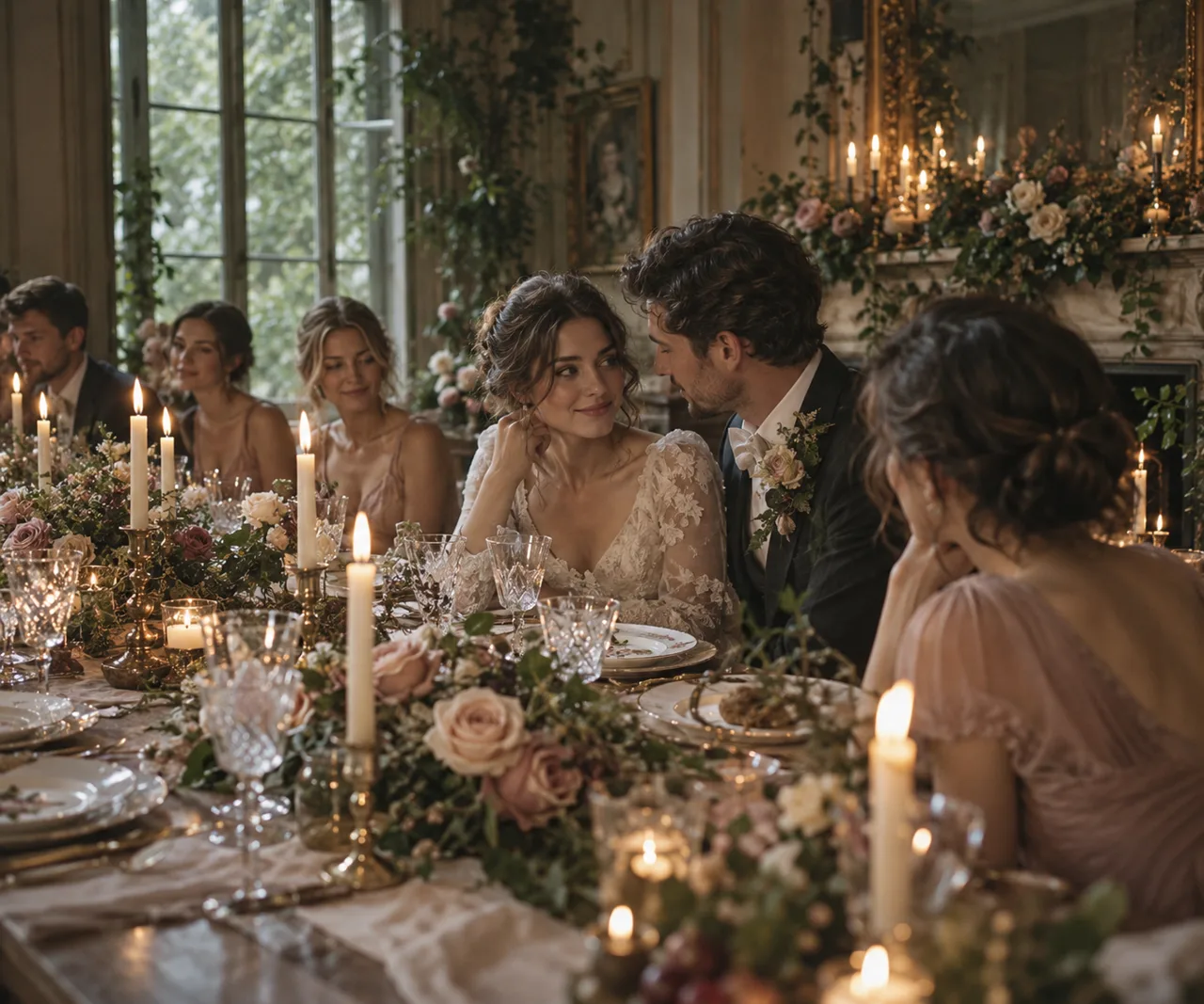
Repeated materials can make modest arrangements look deliberate. A consistent vessel shape, restrained ribbon color, and similar candle treatment create a stronger connection than a large mix of unrelated finds. Compare the complete table arrangement before buying quantities.
Choose a palette that reduces buying decisions
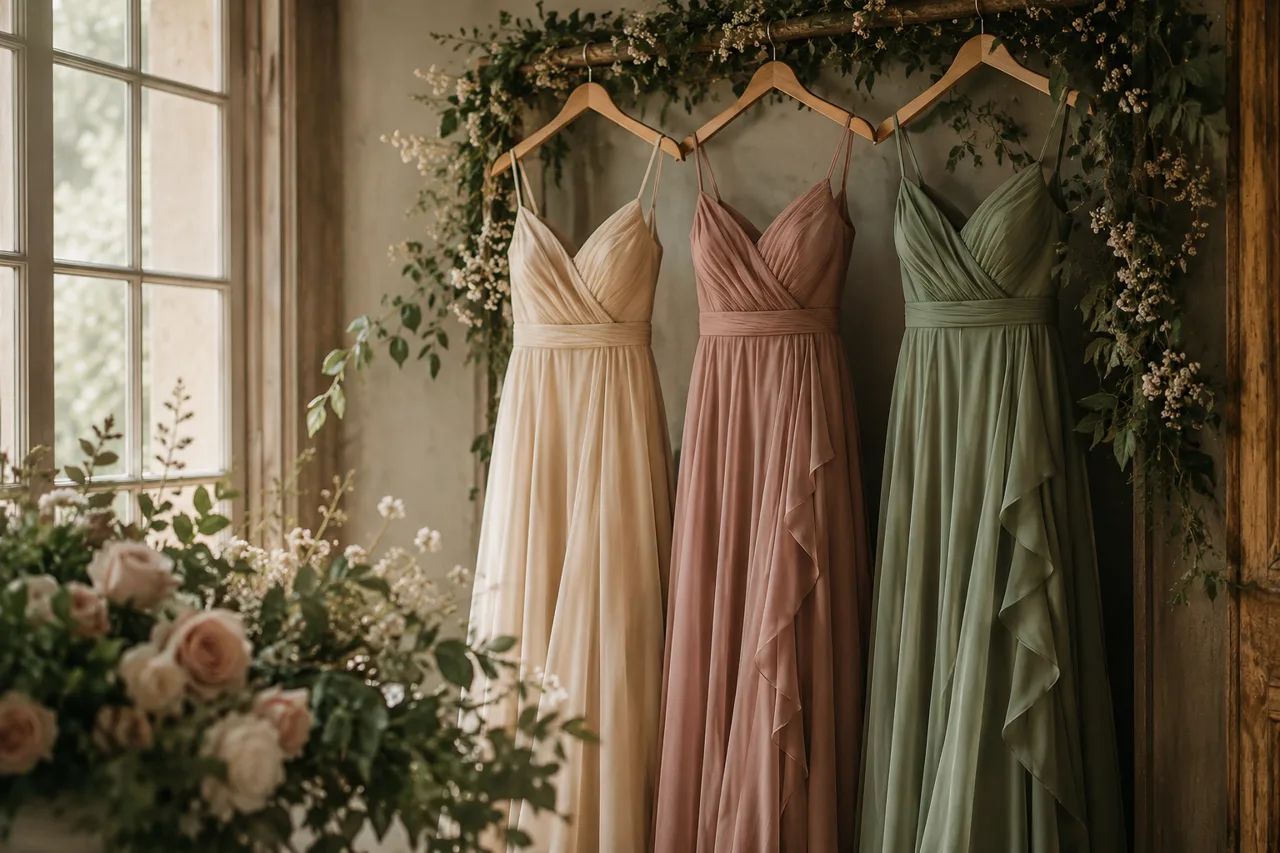
A limited palette helps you reject attractive items that do not belong to the plan. Start with the venue's fixed colors and add a neutral plus one supporting shade. Use our vintage wedding palette guide to compare combinations without treating an exact shade match as essential.
Texture can add richness at lower visual complexity. Linen, matte paper, clear glass, and natural foliage have different surfaces even when their colors are close. Avoid adding metallic accents solely because a wedding image seems to require them. A warm, simple table can feel complete on its own.
Compare renting, buying, and borrowing honestly
A secondhand object is not automatically the cheapest choice once transport, cleaning, repair, storage, and resale time are included. Make a simple comparison for each group of items. Include the number required, the full acquisition cost, and the work needed before and after the event.
Borrow only when responsibility is clear. Record who owns the items, how they will be transported, and what happens if something is damaged. Sentimental objects deserve particular care. It may be better to display one heirloom in a protected location than use fragile family pieces across every table.
Rentals can reduce storage and coordination, but read collection windows and replacement charges. Ask whether washing or packing is included. Compare like with like: an installed rental arrangement and a box of objects you must assemble yourself involve different amounts of work.
Keep flowers focused and flexible
Give your florist a palette, preferred shape, and overall mood, then ask which materials can achieve it within your budget. Be open to suitable substitutions rather than insisting on a flower that is difficult to obtain for your date. Agree the scope and change process in writing.
Reusing ceremony arrangements can help only when the transfer is practical. Someone must move them safely, at the right time, without interrupting guests or leaving a visible gap. Ask whether labor and suitable containers are included. Reuse is a plan, not just an intention.
Treat DIY as a project with a labor budget
Choose tasks that are predictable and can be completed before the wedding week. Simple paper details may be manageable if you already have the tools. Large installations, specialist lighting, or time-sensitive florals require a different level of skill and coordination.
Make one finished sample and time the process before committing. Count materials, mistakes, packaging, and setup. Ask whether you would still choose the project if you valued your free time. A modest purchased solution can be the more economical choice when a DIY task becomes complex.
Protect clothing and guest comfort
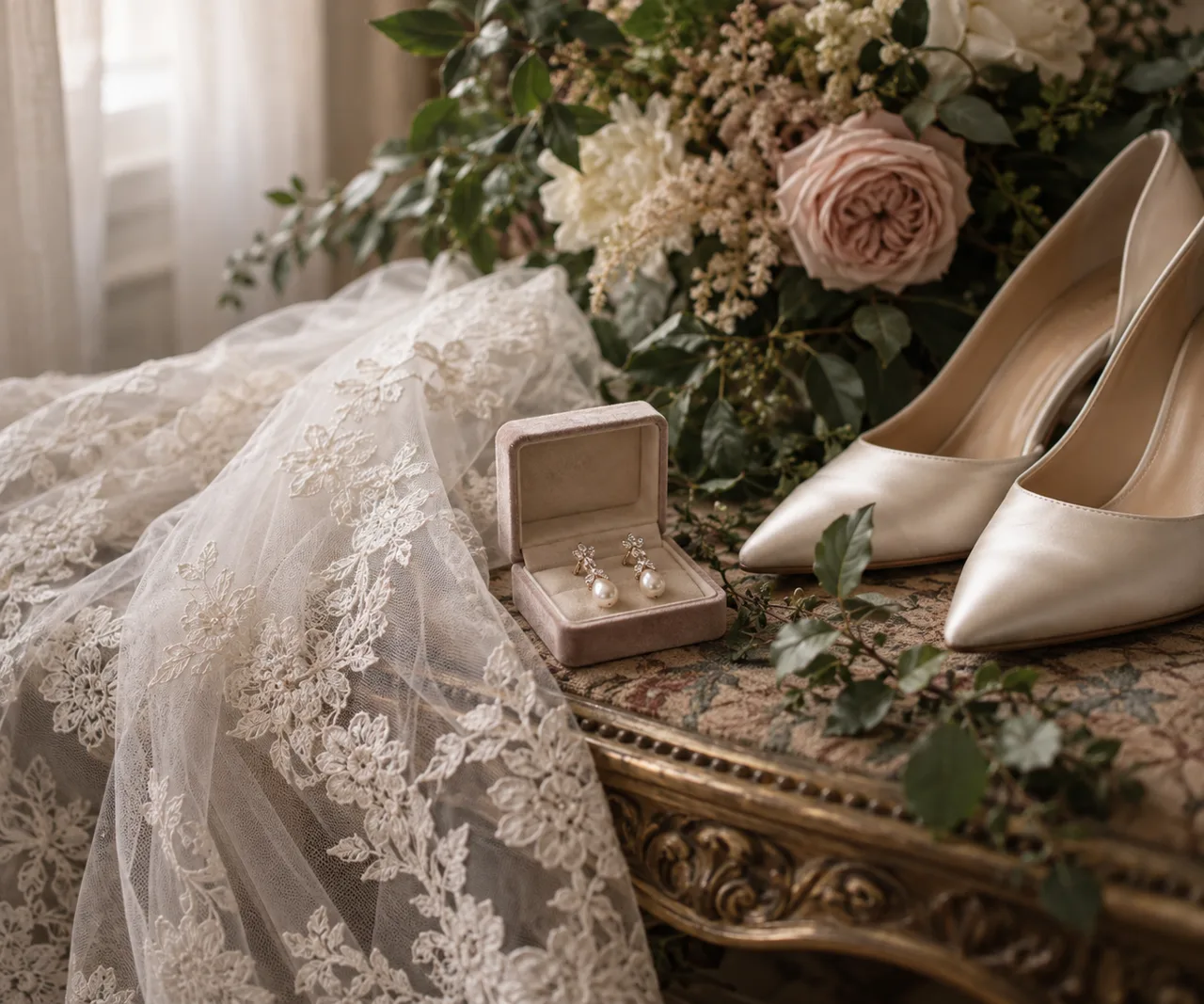
A beautiful outfit does not need every possible accessory. Decide which feature matters most and let the rest support it. Before purchasing a sample or secondhand gown, ask a suitable specialist about condition and alteration possibilities. A low purchase price can be misleading if major reconstruction is needed.
Keep seating, clear directions, drinking water, and a workable meal service in view. Guests experience the wedding through movement, conversation, and comfort as well as decoration. Cutting a small decorative detail is often less noticeable than making the day difficult to navigate.
A budget review before committing
- Compare full quotes rather than headline prices.
- Keep a contingency amount for genuine changes.
- Give every decorative purchase a defined location.
- Include transport, setup, collection, and storage.
- Test DIY work before buying materials in bulk.
- Confirm who approves additional spending.
Elegant vintage style comes from selection. Choose the details that suit your setting, repeat them with care, and stop when the room feels coherent. A celebration can be personal and beautiful without turning every inspiration image into a shopping list.