A thoughtful wedding card names both partners, expresses happiness for them, and includes one sincere wish for their life together. If you know the couple well, add a specific memory or quality you admire. A few honest sentences usually mean more than a polished paragraph that could be addressed to anyone.
You do not need to sound formal, poetic, or unusually wise. Write in a voice the couple would recognize as yours. Keep the focus on their shared future, respect their beliefs and circumstances, and choose a message that remains kind when read years later.
Use a simple three-part structure
Start with congratulations or a warm acknowledgment of the day. Follow with a personal sentence. End with a wish and your signature. For example: “Dear Maya and Alex, congratulations on your marriage. The care you show each other makes spending time with you a joy. Wishing you a home filled with laughter, patience, and many good ordinary days. With love, Sam.”
This structure works because each sentence has a job. The greeting includes both people, the middle gives the note a human detail, and the ending looks forward. You can shorten it for a small card or expand it for someone close without changing the basic shape.
If you need a starting point, browsing celebration message inspiration at MessageBlessings may help you find a tone. Rewrite any borrowed idea in your own words and add a detail that belongs to the couple. A resource can prompt the thought; it cannot supply your relationship with them.
When you know one partner better
Include the other partner warmly without inventing closeness. You might write: “Jordan, I have loved seeing how happy you and Casey are together. Casey, it has been wonderful getting to know you. Wishing you both a marriage full of friendship and shared adventures.”
Avoid turning the card into a long tribute to only one person. A short shared wish restores the balance. If a private memory needs more explanation than the other partner could comfortably follow, save that story for a separate note.
Warm messages for friends
A message to friends can be relaxed and specific. “Congratulations, you two. From our rainy weekend walks to your beautifully chaotic dinner parties, you have always made room for people you love. I hope married life brings you more adventures and plenty of peaceful evenings together.”
Use humor only when you know it will land with both readers. A gentle reference to shared habits can be affectionate; jokes about divorce, regret, or one person “finally settling down” can turn the attention away from the celebration. When uncertain, choose warmth over a punch line.
Messages for family
Family cards can acknowledge love and change without claiming ownership of the couple's future. “Watching you build a life together has been a joy. We are proud of the kindness you bring to each other and excited for all the chapters ahead. With our love on your wedding day and always.”
If you are welcoming someone into a family, choose language that respects their existing relationships too. “We are so happy to celebrate with you both” may feel more inclusive than a statement that assumes the marriage changes where someone belongs. Follow the language the couple uses about themselves.
Formal wishes for colleagues or acquaintances
A professional relationship calls for a friendly, measured note. “Congratulations on your wedding. Wishing you both a happy marriage and a wonderful celebration with the people you love.” This is complete; there is no requirement to add intimacy you do not share.
If the card is signed by a team, make sure the shared message is appropriate for everyone represented. Keep workplace stories and confidential details out of the note. A wedding card should be enjoyable to display or keep without requiring an explanation.
Religious blessings and cultural care
A religious blessing can be meaningful when it aligns with the couple's beliefs and your relationship. If you are unsure, use a broadly warm wish rather than assuming a tradition. Do not copy a sacred quotation without checking its wording and context.
For a multicultural celebration, follow the couple's invitations and stated preferences. Ask a trusted person about an unfamiliar greeting if needed. Respectful simplicity is better than using a ceremonial phrase you do not understand. You can always write a sincere message in your own familiar language and include a translation when appropriate.
What to leave out
Avoid unsolicited advice, expectations about children, comments about money, and comparisons with previous relationships. Do not use the card to settle a disagreement or explain why you disapprove of a choice. Even affectionate teasing can feel different in a permanent written keepsake.
If your relationship has been distant, a clear, kind message is enough. You do not need to resolve the whole history inside a wedding card. Offer congratulations you can sincerely stand behind and let the note remain a celebration of the couple.
If you cannot attend
Acknowledge your absence briefly and keep the main focus positive. “We are sorry to miss celebrating in person, but we will be thinking of you both. Wishing you a beautiful wedding day and a marriage full of companionship and joy.” Avoid a long explanation that asks the couple to reassure you.
Send the note through a dependable channel and check the recipient details. If you are including a gift, our wedding gift guide can help you choose something that fits their preferences rather than your expectations.
A final card check
- Check the spelling of both names.
- Read the message aloud for tone.
- Remove assumptions about the couple's future.
- Include your name clearly, especially with a group gift.
- Keep a personal detail only if both readers can enjoy it.
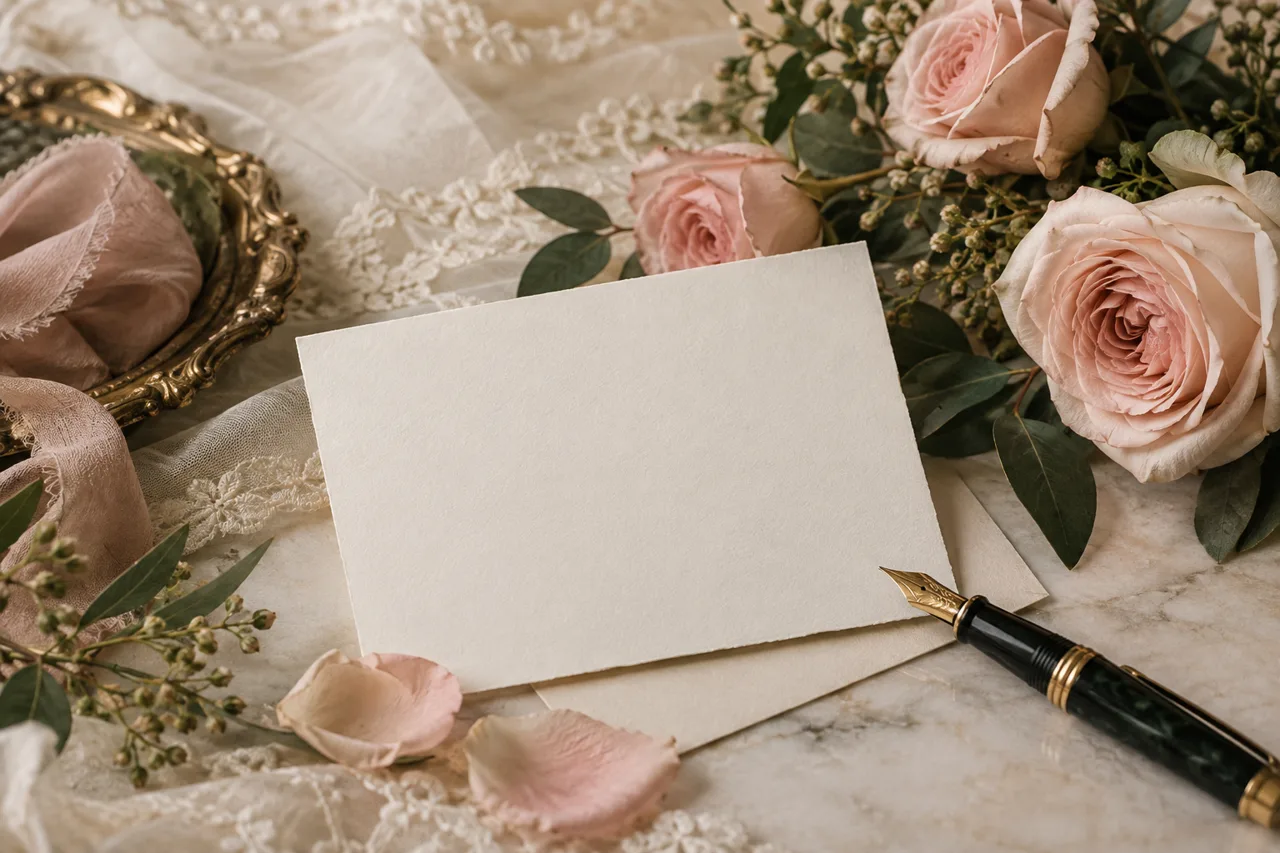
The visual style of a card can connect to the celebration's vintage color palette, but the words need no elaborate decoration. Name what you appreciate, wish them well, and let your own voice carry the message.